Whale Watching Cruises
Match the region and month to the whales, then get on the water with a good guide.
Get Whale Cruise QuotesThe Big Four Whale Regions for Cruisers
Whale watching is the headline act of nature cruising. The trick is matching the region and the month to the whales, then choosing excursions that get you on the water with a good guide.
Alaska
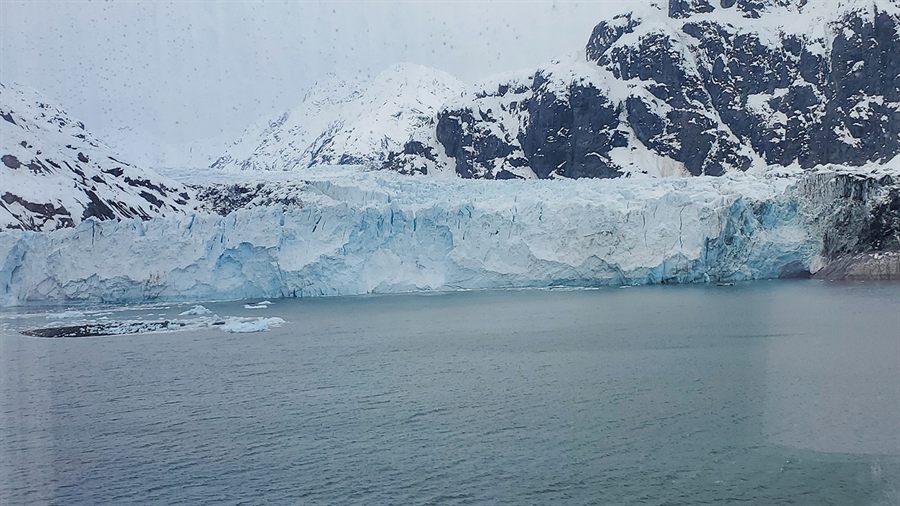
Summer brings humpback whales to Alaska’s rich northern waters to feed, and orcas patrol the Inside Passage and coastal fjords. Many cruise ports, including Juneau, Sitka, Ketchikan, Icy Strait Point and Seward, offer small-boat whale-watching trips, often combined with glaciers or wildlife cruises.
Humpbacks in Alaska are protected by a federal 100-yard approach rule. The Alaska marine mammal viewing guidelines explain the limits for boats and people. Compare tours by port on our sister site Alaska Port Excursions.
Hawaii
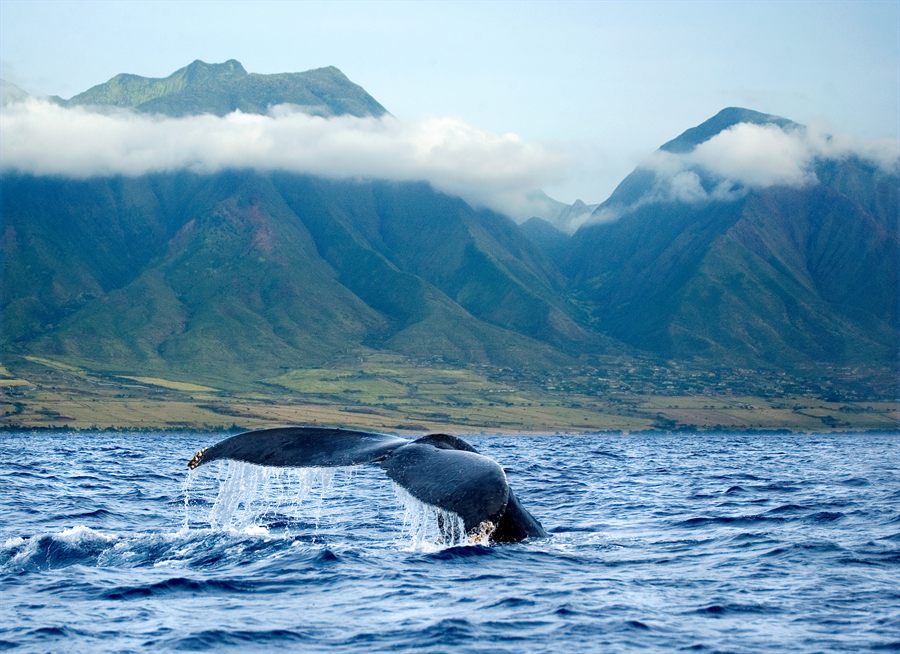
North Pacific humpbacks migrate to Hawaii to breed, calve and nurse. According to the Hawaiian Islands Humpback Whale National Marine Sanctuary, the season generally runs from November through May, with peak numbers from January through March. Maui is the best-known base, but humpbacks are seen around all the main islands.
The same federal 100-yard rule applies, and aircraft, including drones, must stay at least 1,000 feet above humpbacks in Hawaii. Year-round, spinner dolphins and green sea turtles add to the show.
Baja California
Gray whales migrate down the Pacific coast to the lagoons of Baja California Sur to give birth. Laguna Ojo de Liebre, Laguna San Ignacio and Magdalena Bay are the famous nurseries, and Mexico permits boat viewing there in winter and early spring, with the best weeks usually between January and March. Small expedition ships sailing the Sea of Cortez visit some lagoons and also look for other whales, dolphins and sea lions; big ships calling at Cabo San Lucas offer whale-watching tours in season.
Iceland and Norway
Iceland in summer
Humpback and minke whales feed in Icelandic waters, and Húsavík in the north calls itself the country’s whale-watching capital, with peak months from about May to September. Cruises around Iceland often include a whale tour.
Northern Norway in winter
From roughly November to January, orcas and humpbacks follow herring into the fjords around Tromsø and Skjervøy. Winter coastal voyages combine whale trips with the northern lights.
For far-north voyages beyond the mainland coast, our sister site Polar Cruise Adventures covers Svalbard, Greenland and the Arctic.
Whale-Watching Questions
Can I see whales from a big cruise ship?
Yes, especially in Alaska and in Hawaii during humpback season. A high deck gives a wide view; watch for blows on the horizon, then use binoculars. Small boats on shore excursions usually get better looks.
Are sightings guaranteed?
No. Whales are wild and move with their food. Seasons and regions improve the odds, but no reputable operator promises a sighting.
Do I need a special excursion?
Not always, but a dedicated whale-watching tour with a naturalist greatly improves your chances and your understanding of what you see.
Find a Whale-Watching Cruise
Tell us which region and month interest you. Our cruise advisors at Mister Cruise will match ships and whale-watching excursions and send free quotes.
Get Whale Cruise Quotes