Galapagos, Polar and Expedition Wildlife
Bucket-list wildlife regions with their own ships, seasons and rules.
Get Expedition QuotesWildlife Voyages With Their Own Rules
The Galapagos Islands, the Arctic and Antarctica are the great bucket-list wildlife destinations. Each is regulated differently, usually reached by small expedition ships, and best planned with a specialist. Our network has a dedicated site for each.
Where to Read More
Galapagos Islands
Ecuador’s islands are a national park where visitors land only at designated sites with licensed guides. Read Galapagos Adventure Cruises for ships, islands and seasons.
The Arctic
Svalbard, Greenland and the Canadian Arctic offer polar bears, walrus and seabird cliffs in a short summer season. Read Polar Cruise Adventures.
Antarctica
Penguins, seals and whales in the Southern Hemisphere summer, roughly November to March. Read Cruising Antarctica.
How Expedition Wildlife Cruising Differs
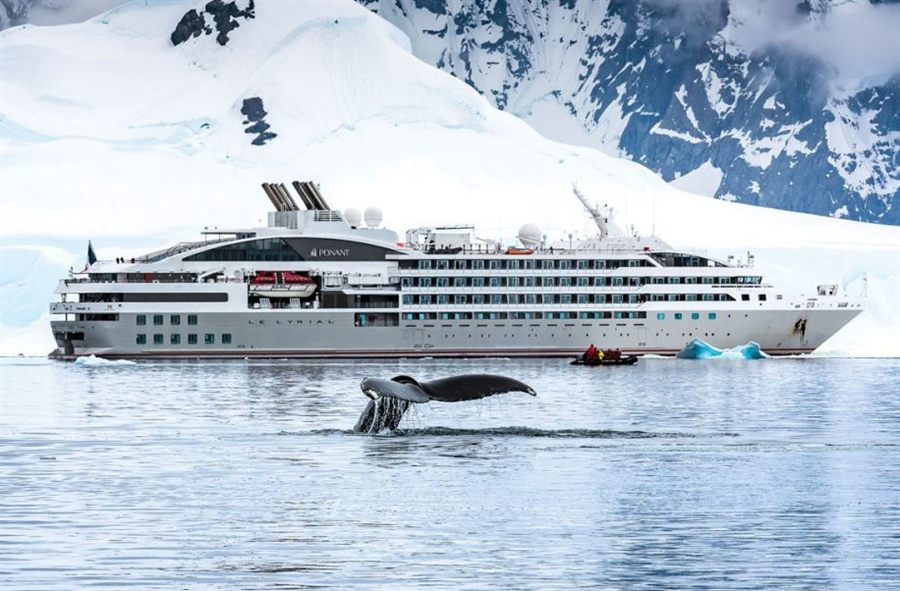
- Small ships: fewer guests mean more time ashore and closer, calmer encounters.
- Naturalist teams: daily lectures and guided landings turn sightings into understanding.
- Flexible plans: weather, ice and wildlife decide the day, not a fixed port schedule.
- Strict codes: biosecurity checks, minimum distances and limits on landing numbers protect fragile places.
- Higher cost: remote regions and small ships mean higher fares than mainstream cruises.
Iceland: A Bridge Between Styles
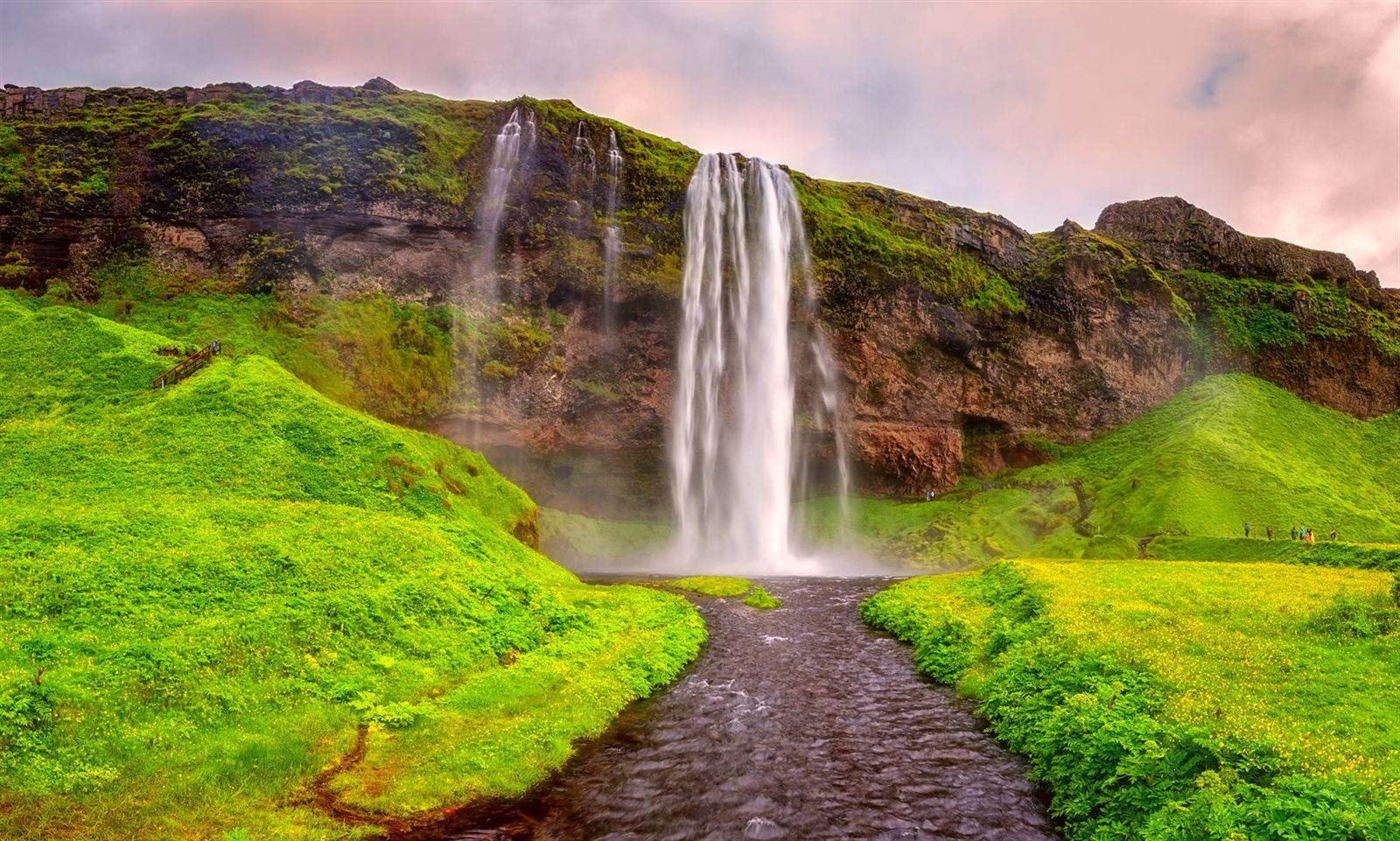
Iceland sits between mainstream and expedition cruising. Ocean ships call at Reykjavik and northern ports in summer, while smaller ships circle the island with naturalists. Waterfalls, puffin cliffs and whale tours make it a strong choice for travelers who want wild scenery without a full polar expedition. For Iceland combined with Greenland or Svalbard, see Polar Cruise Adventures.
Whichever direction you choose, travel insurance with medical evacuation cover is especially important on remote voyages; our cruise advisors can explain the options.
What a Typical Expedition Day Looks Like
Mornings often start with a wake-up call from the expedition leader announcing what has been spotted overnight. After breakfast, guests board inflatable boats in small groups for a landing or a cruise along a coast, guided by naturalists who explain the animals and plants. Afternoons may bring a second outing, time on deck scanning for whales or a lecture on geology, birds or history. Evenings end with a recap and a preview of tomorrow, which is always subject to weather and wildlife.
Is an Expedition Right for You?
You will love it if...
you would rather spend an hour watching a seal colony than shopping in port, you enjoy lectures and early starts, and you can roll with plans that change overnight.
Think twice if...
you need a fixed schedule, large-ship entertainment or step-free access everywhere; landings by inflatable boat require some agility.
A gentle first step
Try a mainstream Alaska or Hawaii cruise with naturalist-led excursions, or a small-ship coastal voyage, before committing to a long polar trip.
Budget and timing
Expedition seasons are short and ships are small, so the most popular departures fill early. Plan a year or more ahead for peak dates.
Plan an Expedition Wildlife Voyage
Tell us whether the Galapagos, the Arctic or Antarctica is calling. Our cruise advisors at Mister Cruise will line up expedition ships that fit your wildlife wish list, with free quotes.
Get Expedition Quotes