
Why Birders Love Cruising
A ship is a moving observation platform that takes you far from land, where seabirds that are almost impossible to see from shore spend their lives. Long sea days that bore other passengers are prime time for a birder with binoculars.
Cruise birding falls into two parts: at sea, watching for ocean wanderers from the deck, and in port, visiting seabird colonies, wetlands and forests on excursions or on your own.
Where the Birds Are
Alaska
Bald eagles in nearly every port, tufted and horned puffins, murres and kittiwakes on sea cliffs.
Iceland and Norway
Atlantic puffins, gannets, guillemots and white-tailed eagles; summer colonies can be enormous.
Baja and the Sea of Cortez
Frigatebirds, boobies, pelicans and terns among desert islands.
Caribbean and Florida
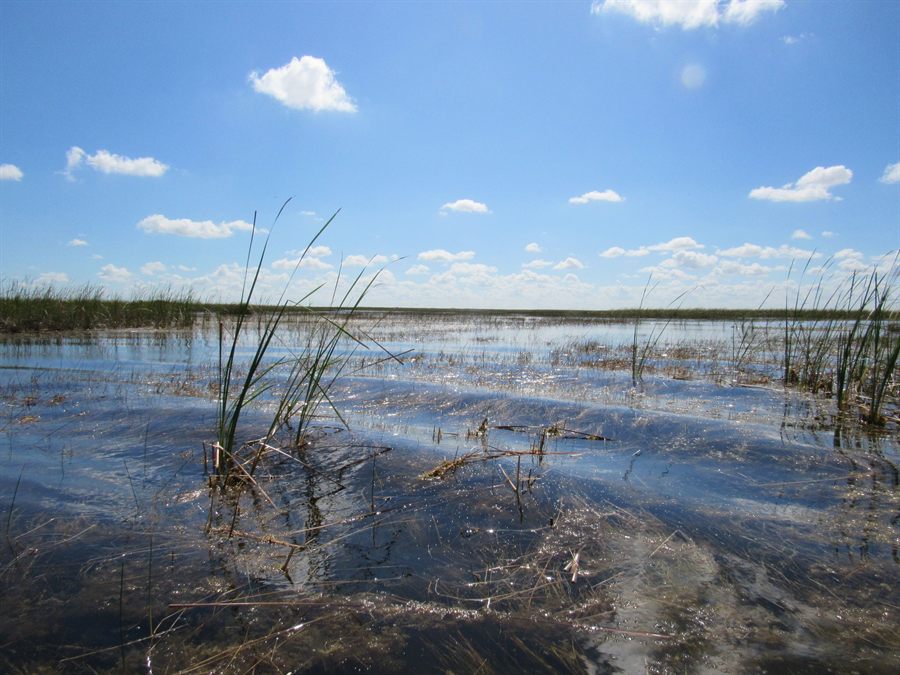
Frigatebirds, brown pelicans and herons, with wetlands and mangroves near several ports.
Galapagos
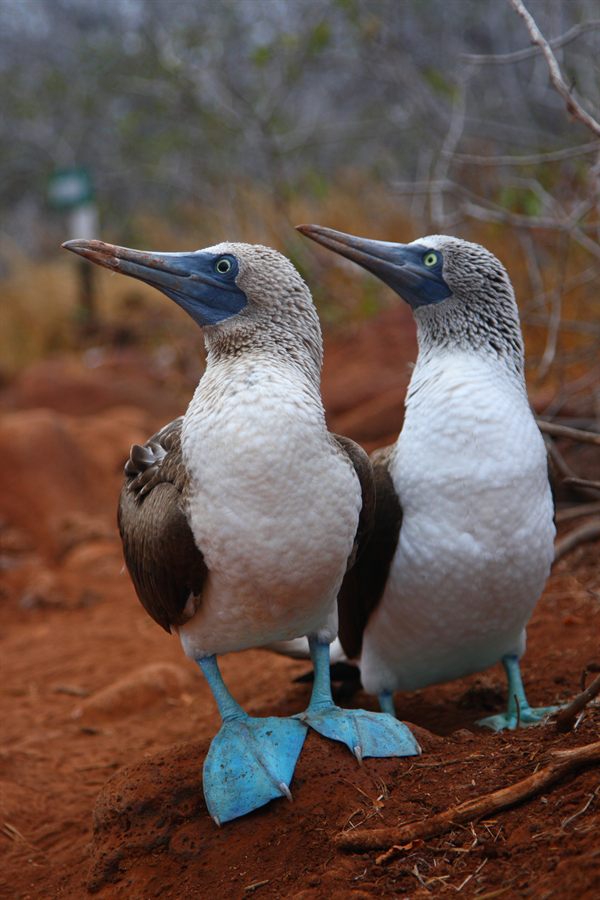
Blue-footed boobies, frigatebirds and the famous finches. See Galapagos Adventure Cruises.
Southern Ocean
Albatrosses and petrels on voyages toward Antarctica. See Cruising Antarctica.
How to Bird From a Ship
- Bring binoculars you can hold steady; 8x is easier than 10x on a rolling deck.
- Scan low over the water ahead of the bow and along the horizon, not the sky.
- Watch for flying fish and feeding whales; seabirds gather where food is.
- Early morning and late afternoon light helps with identification and photos.
- Log sightings in an app such as eBird, run by the Cornell Lab of Ornithology, to contribute to science.
Birding Ashore
Ask your cruise advisor which ports have nature reserves, wetlands or seabird cliffs within easy reach. Small-group nature excursions are best; large bus tours rarely stop long enough. Our sister site Shore Activities lists nature tours by port.
Keep a respectful distance from nesting colonies, stay on marked paths and never use recorded calls to draw birds in where local rules forbid it.
Birding Questions
What is a pelagic bird?
A bird that spends most of its life over the open ocean, coming to land mainly to breed. Albatrosses, shearwaters, petrels and storm-petrels are classic examples.
Which part of the ship is best for birding?
Low, forward-facing open decks give the best views of birds lifting off the water ahead of the bow. The stern is good for gulls and shearwaters following the wake.
Tips for Mixed Groups
Traveling with non-birders? Pick itineraries with plenty of sea days and scenic cruising, where you can watch from a lounge window with a coffee while companions enjoy the ship, and agree on one nature excursion in each port.
Plan a Birding Cruise
Tell us the birds and regions on your wish list. Our cruise advisors at Mister Cruise will suggest itineraries with the best sea days and nature ports and send free quotes.
Get Birding Cruise Quotes