Responsible Wildlife Viewing
Keep your distance and let the animals choose how close to come.
Get Free QuotesWhy Distance Matters
Close encounters make great photos but can stress animals, separate mothers from young and interrupt feeding or resting. The best wildlife guides keep their distance and let animals choose how close to come.
In US waters, NOAA Fisheries publishes viewing guidelines and, for some species, enforceable rules. Read NOAA’s guidelines and distances before a trip; these are the main points.
NOAA Viewing Distances in US Waters
| Animal | Recommended or required distance |
|---|---|
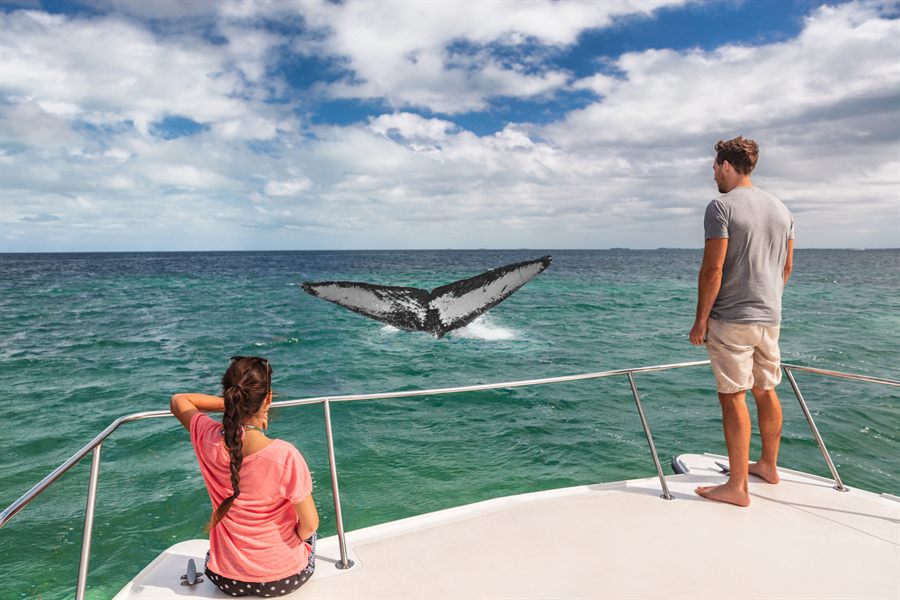
| Whales | At least 100 yards, unless other rules apply |
| Humpback whales in Hawaii and Alaska | 100 yards by federal rule; aircraft at least 1,000 feet above humpbacks in Hawaii |
| Killer whales in Washington State | 200 yards, and stay out of their path within 400 yards |
| Dolphins and porpoises | At least 50 yards (100 in some places) |
| Seals and sea lions | At least 50 yards, in the water or on shore |
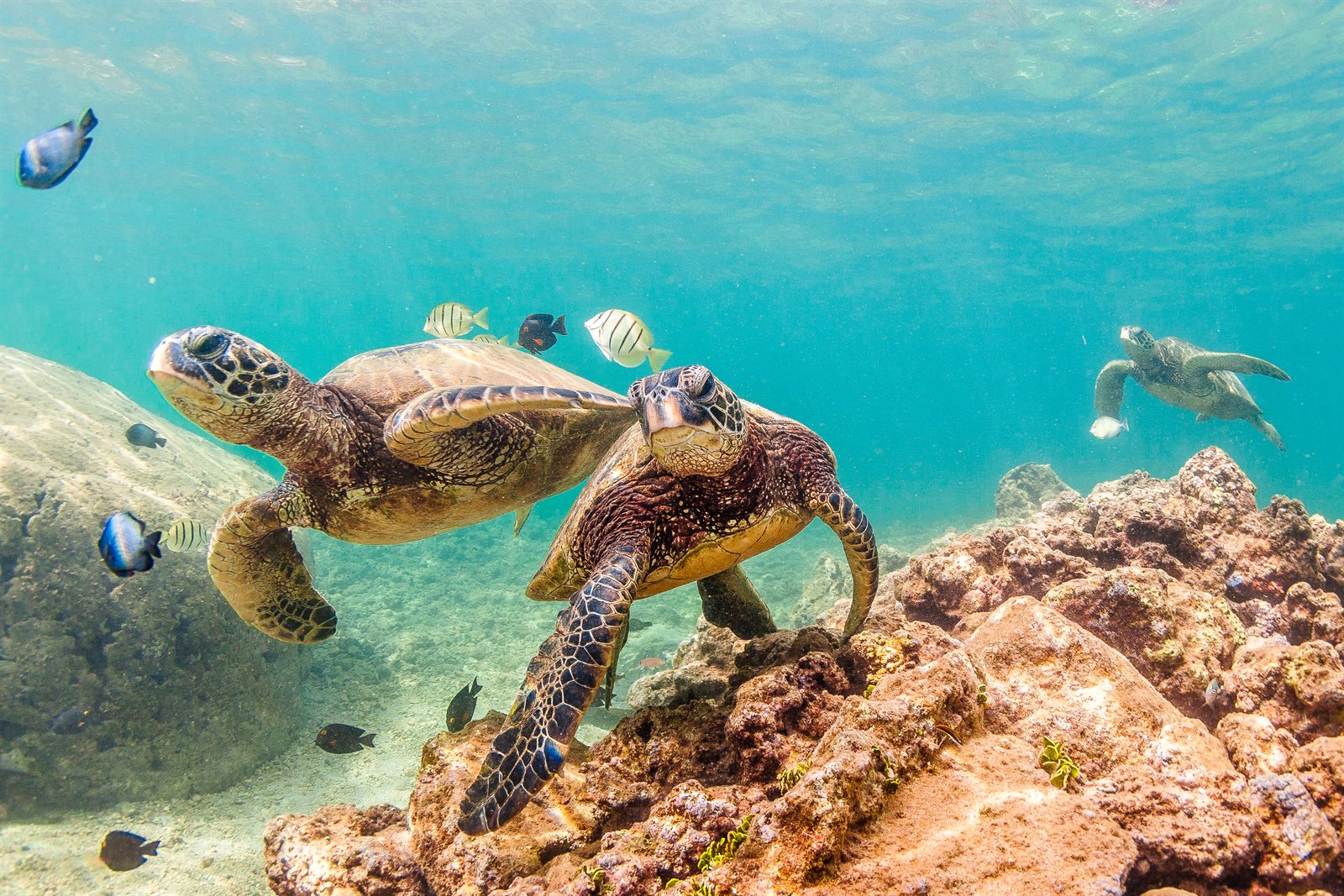
| Sea turtles | At least 50 yards; in Hawaii the recommendation is at least 10 feet |
Source: NOAA Fisheries, checked October 2026. Rules can change; the NOAA Fisheries marine life viewing guidelines page has the current text.
Simple Rules Anywhere
- Do not feed, touch, swim with, ride or try to interact with wild marine mammals or turtles.
- Limit time with any one group of animals to 30 minutes or less, as NOAA suggests.
- Never surround animals or come between a mother and her young.
- Keep noise down and move slowly.
- Choose operators who follow local codes, such as Be Whale Wise on the US West Coast.
Outside the United States
Other countries and regions set their own rules. Mexico regulates boat viewing in the Baja gray-whale lagoons, Norway relies largely on voluntary guidelines for whale watching, and polar regions follow strict codes from bodies such as the Association of Arctic Expedition Cruise Operators. Hawaii’s sanctuary also offers responsible recreation advice for visitors. Wherever you are, follow your guide’s briefing.
Viewing Questions
Are these distances laws or guidelines?
Both, depending on the species and place. Some, such as the 100-yard rule for humpbacks in Hawaii and Alaska, are federal regulations. Others are NOAA guidelines. Other countries set their own rules.
What if a whale approaches our boat?
NOAA advises boaters to slow down and put the engine in neutral if whales approach, and let them pass. Do not chase or follow them.
Can I fly a drone over whales?
In Hawaii, aircraft must stay at least 1,000 feet above humpback whales. Many parks and cruise lines also restrict drones, so check before you fly.
Photography Without Pressure
A longer lens is the respectful way to fill the frame. Resist calling, waving or tapping to get an animal’s attention, and never ask a guide to move closer than the rules allow for a better shot.
Book With Responsible Operators
Tell us where you want to see wildlife. Our cruise advisors at Mister Cruise will suggest lines and excursions known for responsible viewing and send free quotes.
Get Free Quotes